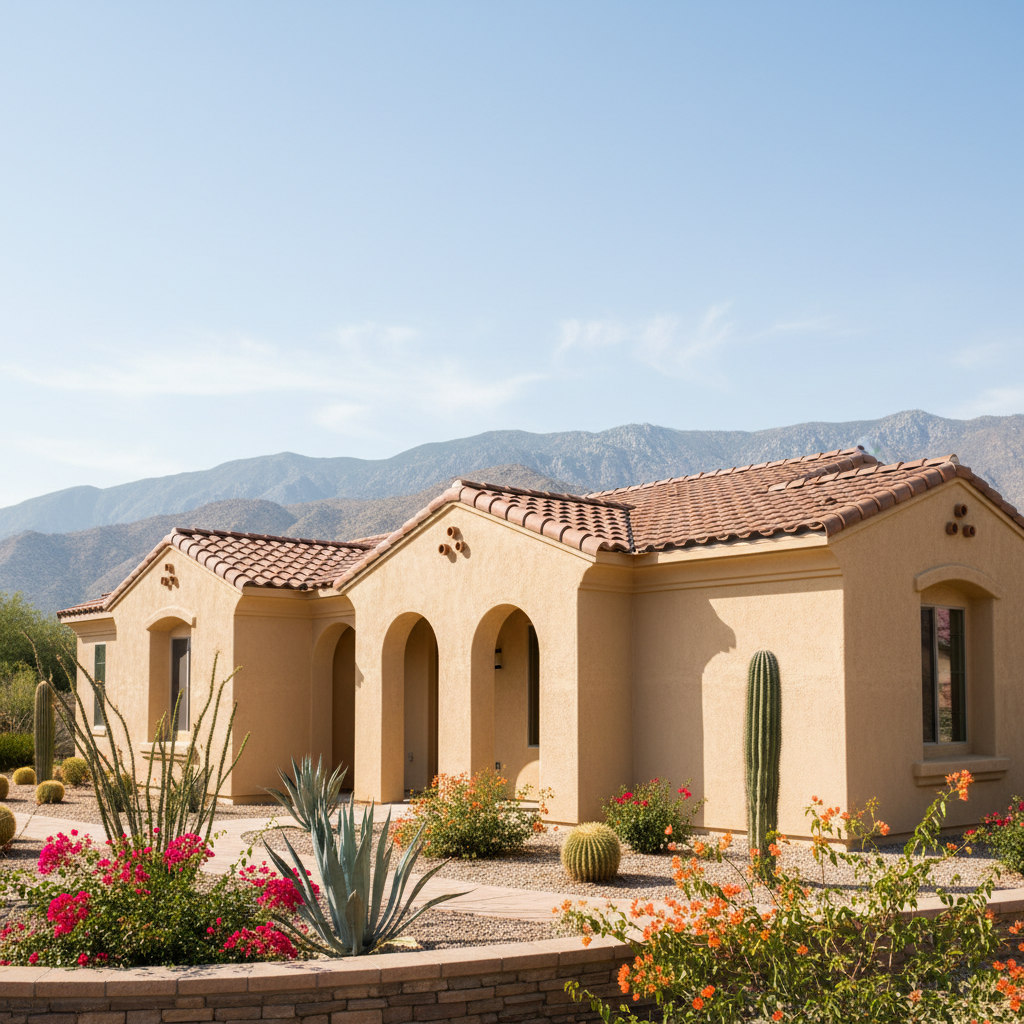
Thinking about EIFS for your place? That's a smart move. It's an awesome system for insulation and it gives you a really tough finish. But here in San Bernardino, our weather likes to throw us a few curveballs, and you need to know about them. Getting EIFS put in correctly, and then keeping it in great shape, really comes down to understanding our local climate. I've seen countless EIFS projects over the years, and trust me, timing and consistent care are absolutely crucial.
When's the Best Time to Get Your EIFS Installed?
Folks often ask me, "When should I schedule my EIFS installation?" My answer usually catches them off guard because it's not always as simple as you'd think. Generally, the sweet spot for EIFS installation in San Bernardino runs from late spring right through early fall. Why then, you ask? It all boils down to temperature and how humid it is.
EIFS materials, especially those base coats and finishes, have specific temperature ranges where they work best for application and curing. We're usually talking above 40°F (4°C) and below 100°F (38°C), with just the right amount of humidity. During our spring, the days get warm enough, and the nights don't dip too low. That's perfect for the materials to set up properly. Summer can work, sure, but you really have to keep an eye out for those scorching hot days, especially in July and August when temperatures can easily hit 105°F or even higher. Putting EIFS on when it's super hot can make the material dry way too fast. That can lead to cracks or a weaker bond later on. We're talking about the kind of heat that makes the asphalt shimmer on the 210 freeway, you know?
Fall is another good window, as long as we don't get an early cold snap. Once winter rolls around, with our occasional rain and cooler temperatures, things get tricky. The materials just don't cure as well then. And you definitely don't want to rush a job that's supposed to protect your home for decades. So, if you're planning ahead, aim for those milder months. It just gives us the best conditions to get the job done right, the first time.
Weather Conditions That Can Affect the Work
Beyond just the temperature, a few other weather factors can really impact an EIFS project. You've got to think about them when you're scheduling and while the actual work is happening.
- Rain: This one's a big deal. EIFS systems are designed to resist water once they're cured, but during installation, they're pretty vulnerable. You can't put wet materials onto a wet surface, and you certainly can't have rain washing away fresh coats. If a storm is coming, we'll often tarp off sections or just pause work until it passes. This is especially true during our winter rainy season, of course.
- Wind: High winds can be a real headache. They can blow dust and debris onto wet surfaces, which really messes up the finish. They can also speed up drying times too much, and as I mentioned, that's not good for proper curing. Plus, nobody wants a scaffold blowing over. Safety always comes first.
- Direct Sunlight: While sunshine is generally a good thing, intense direct sunlight on a fresh application can cause problems. It can dry the outer layer too quickly, leading to surface cracks or something we call "flash drying." Sometimes we'll use shade cloths or adjust our working hours to avoid the harshest midday sun, especially on south-facing walls.
These aren't just minor annoyances; they're critical factors that can really affect how long your EIFS lasts and how well it performs. A good contractor, like us at San Bernardino Stucco & Plastering, will always consider these in our project planning and when we're making decisions on-site.
Protecting Your EIFS Investment All Year Long
Once your EIFS is installed, you'll want to keep it looking good and working its best. It's not one of those "set it and forget it" systems, but the maintenance isn't super complicated either.
- Regular Cleaning: Our San Bernardino dust can build up, and you might even see some mildew in shadier spots, especially after it rains. A gentle wash with a garden hose and a soft brush (or a low-pressure power washer, used carefully!) is usually all you need. Just steer clear of harsh chemicals or high-pressure washing; those can damage the finish.
- Check for Cracks and Damage: Take a walk around your house a couple of times a year, maybe in spring and fall. Look for any tiny hairline cracks, impact damage (think kids' balls or stray branches), or spots where the finish might be peeling. Catching these early means a simple repair instead of a bigger, more expensive fix down the road.
- Inspect Sealants: Pay close attention to the caulking around your windows, doors, and wherever the EIFS meets other materials. These sealants are your first line of defense against water getting in. If you see cracking, shrinking, or separation, get it re-caulked.
- Manage Landscaping: Keep plants, bushes, and trees trimmed back from your EIFS. They can rub against the surface, causing abrasion, and they also hold moisture against the wall, which isn't ideal at all.
Taking a little time for these checks can save you a lot of headaches and money in the long run. EIFS is a tough system, but like anything else, it really benefits from a little tender loving care. If you have questions about your EIFS or are thinking about getting it installed, just give us a call. We're always happy to talk through your options and make sure you're getting the best for your home.